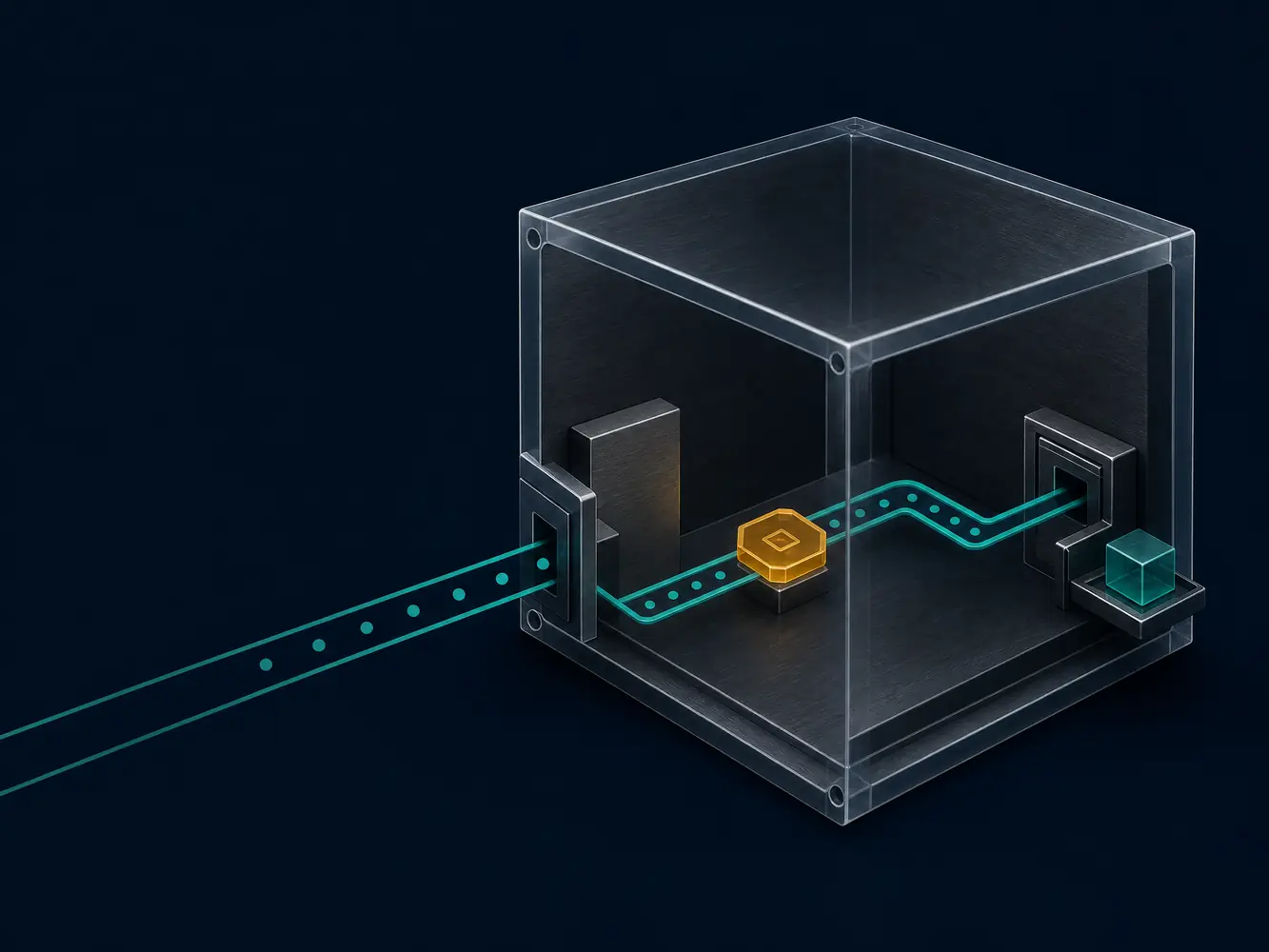
Action policy
Attach authentication, tenant, role, permission, feature, quota, and immutability checks to the application capability that needs them.
Tenant-aware identity
Build around tenant access, role membership, feature flags, token claims, and tenant-specific encryption material.
Audit and PII context
Record operation categories and verify the integrity of the audit chain; mark personal data access with a declared purpose when the system requires it.
Transactional reliability
Use transactional executors and the outbox pattern so committed data changes and published domain events stay aligned.
Current boundary
What Framework provides
Reusable application-level primitives for actions, policies, multitenancy, audit, resilience, transports, data access, and operational composition.
What your system still owns
Your domain model, infrastructure configuration, identity provider choice, data classification, deployment policy, threat model, and production runtime decisions.
How to use this boundary
Treat Nexss Framework as a consistent system foundation. Do not present it as a hosted platform, a generic sandbox, or a replacement for application architecture.
Next step
Make security and multitenancy ordinary parts of system design.
Review the source code, model a service boundary, or discuss how Framework components fit into a real product architecture.